
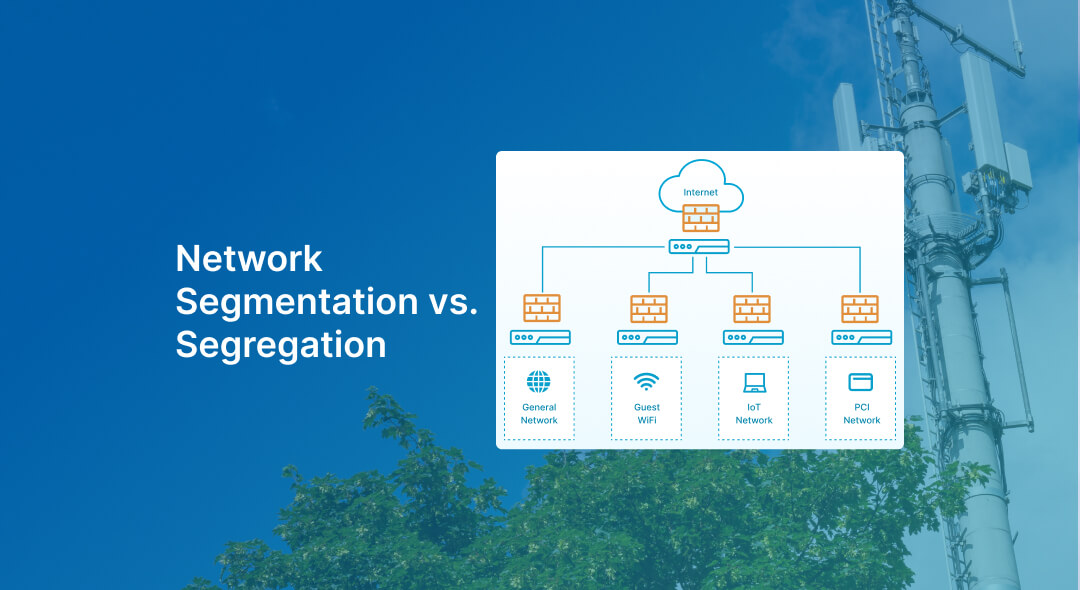
The integrity and confidentiality of data are the prime choices in the modern world. Among various strategies used for network security, segmentation and segregation of networks perform efficiently. In this discussion, our focus remains on network segmentation vs. segregation to find out their effectiveness, characteristics, and features.
Network segmentation involves dividing a computer network into subnetworks. Each becomes a network segment or network layer. Alternatively, network segregation focuses on controlling access to network resources based on pre-defined rules and policies.
Both methods are integral components of a layered security strategy. They contribute to the overall resilience of any business’s IT infrastructure, as well as cyber threats. Throughout the discussion, I will explain their implementation and things to consider before choosing them.
What is Network Segmentation?
In short, network segmentation is a concept of network architecture. It divides a larger network into smaller ones. Also, segmentation isolates the network as subnetworks or segments.
Every segment works as a separate entity. It allows more efficient network management, improved performance, and enhanced security. Through isolation, organizations can better control access to sensitive information and limit the spread of malware. They can also reduce network congestion.
The division of the network is achieved via various methods, including physical separation, logical separation via software config, or both.
Therefore, the primary purposes of network segmentation are enhanced security and improved performance. For instance, it can prevent an attacker who compromises one segment from gaining access to the entire network.
Segmentation offers better network performance by reducing unnecessary traffic between segments. It also helps optimize bandwidth usage and minimize latency issues.
Types of Network Segmentation
There are several approaches to implementing network segmentation. They suit different organizational needs and infrastructure capabilities:
Physical Segmentation
Physical segmentation involves physically separating parts of a network using dedicated hardware devices such as routers and switches. This method provides a high level of security and performance benefits but can be costly and complex to implement.
Logical Segmentation
Logical segmentation uses software-based controls to divide a network into segments without requiring physical separation. Techniques include VLANs (Virtual Local Area Networks), subnetting, and firewall rules. Logical segmentation offers flexibility and cost-effectiveness compared to physical segmentation.
Virtual LANs (VLANs)
A VLAN is a specific implementation of logical segmentation that allows devices connected to different physical switches to communicate as if they were part of the same network segment. VLANs enhance security by isolating traffic between groups of users, devices, or applications without requiring changes to the physical network layout.
Subnet Segmentation
Subnets divide a network into smaller IP address ranges. It helps with network organization. This segmentation can improve routing efficiency.
Micro-segmentation
This advanced technique involves isolating individual applications and workloads within a network. It provides granular control over traffic flow and enhances security.
Network Segmentation Techniques
You can create segments of a network in different ways. Here is the simple procedure of a network segmentation:
Define Clear Objectives
Establishing clear objectives involve defining why segmentation is needed and what specific goals it aims to achieve. It ensures that the strategy aligns with overall security objectives.
Follow Least Privilege
Implementing the principle of least privilege means granting users and systems the minimal access necessary to perform their functions. In this way, the potential attack surface is reduced.
Audit and Monitor
Regularly auditing and monitoring the network is vital to ensure that segmentation policies are effective. It also helps to detect any anomalies or breaches promptly.
Limit Third-Party Access
Restricting access for third parties to only what is necessary can help minimize potential security risks associated with external entities.
Educate Employees and Users
You should train employees and users about the importance of network segmentation and how to adhere to security policies. It can meaningly enhance the effectiveness of the segmentation strategy.
What is Network Segregation?
Network segregation isolates specific network components or systems from the rest of the network. It is a cybersecurity strategy focused on restricting access to network resources.
Likewise, segregation can be physical (separate hardware) or virtual (logical separation). It provides the highest level of protection for sensitive or critical assets. Plus, it restricts access to sensitive data, enhances security, and controls communication between hosts.
More precisely, network segregation is about controlling who and what can access certain parts of the network. This method is essential for preserving the integrity and privacy of data by preventing unauthorized access and moderating the risks associated with insider threats and external attacks.
The main objectives of network segregation are enhancing security and compliance with regulations. Segregation limits access to network resources, which decreases the attack surface available to potential intruders. It ensures that even if a breach occurs, the impact is contained to a limited portion of the network.
Methods of Network Segregation
Several methods and technologies are employed to achieve network segregation. Each method offers different levels of control and security:
Access Control Lists (ACLs)
ACLs are sets of rules to define who or what can access certain parts of a network and what actions they can perform. ACLs can be implemented on routers, switches, and firewalls to enforce access policies at various points within the network.
Firewalls
Firewalls act as a blockade between internal and external networks. They inspect incoming and outgoing traffic following predetermined security rules and block traffic that does not comply with these rules, effectively segregating internal network resources from external threats.
Intrusion Detection Systems (IDS) and Intrusion Prevention Systems (IPS)
While not directly a form of segregation, IDS and IPS play a crucial role in identifying and preventing unauthorized access attempts. These systems can alert administrators to potential breaches by monitoring network traffic for suspicious activity. It allows for timely action to reinforce network segregation measures.
Physical and Virtual Segregation
Network segregation can be implemented physically by establishing separate hardware for different network segments. You may also do it virtually through technologies that provide logical separation within the network.
Network Segmentation vs. Segregation – Full Comparison
Segmentation and segregation both aim to enhance network security and alleviate the risk of unauthorized access by partitioning the network infrastructure. However, they have some differences, which I am describing below:
Scope
Segmentation operates within a single network, dividing it into smaller segments to facilitate better management and security. This approach allows for more granular control over network traffic and access within the confines of a unified network infrastructure.
Alternatively, segregation involves creating separate, distinct networks that may not communicate with each other directly. This method is often employed to isolate critical assets or sensitive information completely from other parts of the network. It enhances security by reducing the potential pathways for attackers.
Methodology
Segmentation frequently employs logical or virtual means, such as VLANs or subnetting. It aims to create isolated segments within a single network infrastructure. This approach leverages existing network hardware and software to achieve segmentation without the need for physical separation.
Segregation may involve physical separation or the placement of critical assets on entirely separate networks. It refers to using dedicated hardware or establishing distinct network zones that are physically disconnected from each other to ensure a higher degree of isolation.
Flexibility
Network segmentation offers more flexibility in defining and adjusting access controls and security policies for different segments. Organizations can tailor security measures to the specific needs of each segment. It allows for a balance between security and operational efficiency.
Segregation provides stricter isolation but with potentially less flexibility in connectivity and resource sharing. The rigid separation inherent in segregation can limit the ease with which resources are shared across different network zones. This way, it necessitates careful planning to avoid hindering legitimate access and collaboration.
Complexity
Segmentation is more complex to implement and manage due to the need for granular access controls and inter-segment communication. Achieving effective segmentation requires knowledge of network architecture, traffic flows, and ongoing management to adapt to changing network conditions and security threats.
On the other hand, segregation may require additional infrastructure and maintenance overhead for separate networks. Ensuring that segregated networks remain secure and functional over time can demand significant resources, including hardware, software, and personnel.
Use Cases
Segmentation is commonly used in enterprise environments to partition networks for better management and security. Organizations can protect sensitive data, limit the spread of malware, and enhance overall network performance.
Segregation may be employed in highly sensitive environments or critical infrastructure to isolate essential resources from potential threats.
For example, a military unit might segregate its classified communications network from public internet access to prevent espionage. Similarly, a financial institution may segregate customer transaction systems from less secure internal networks to safeguard against data breaches.
How to Implement Network Segmentation and Segregation Effectively
Challenges like having deep knowledge, limited budget, limited resources, and policy enforcement may appear during segmenting or segregating any network. You can solve these issues by following these instructions:
Risk Assessment
Begin with a full risk assessment to identify critical assets and potential vulnerabilities. This step helps prioritize where to apply segmentation and segregation efforts.
Strategic Planning
Develop a detailed plan that outlines the segmentation and segregation strategy, including objectives, technologies to be used, and expected outcomes. Ensure the plan is aligned with business goals and security policies.
Policy Development
Establish clear, enforceable policies for network access, data protection, and incident response. These policies should guide the configuration of segmentation and segregation controls.
Implementation Phases
Roll out segmentation and segregation measures in phases, starting with pilot projects before full-scale deployment. This approach allows for testing and refinement of strategies in controlled environments.
Monitoring and Maintenance
Implement continuous monitoring to detect policy violations or security breaches. Regularly review and update segmentation and segregation configurations to adapt to growing threats and organizational changes.
Training and Awareness
Provide training for IT staff and end-users on the importance of network segmentation and segregation, as well as their roles in maintaining network security.
Network Segmentation and Segregation Benefits
Both strategies are essential for protecting sensitive data and critical systems against a wide array of cyber threats.
Security Enhancement
Network segmentation divides a network into smaller, isolated sections or zones. If a breach happens in one segment, it can be contained within that segment that prevents it from spreading throughout the entire network.
Compliance Obligations
Various regulatory standards and compliance frameworks, such as GDPR, HIPAA, and PCI DSS, mandate the implementation of network segmentation and segregation to protect sensitive data. Failure to conform with these principles can result in severe penalties, fines, or legal consequences.
Reduced Vulnerability
Network segmentation and segregation minimize the attack surface. This reduces the chance for cyber threats, including malware, viruses, and unauthorized users, to move laterally across the network.
Operational Efficiency
Segmenting the network allows organizations to optimize traffic flow and prioritize bandwidth usage based on business needs and priorities. By directing traffic more efficiently, organizations can improve network performance, reduce congestion, and ensure smoother operations for critical functions and services
Insider Threat Mitigation
Network segmentation and segregation mitigate insider threats by limiting access to authorized personnel following their roles and responsibilities. So, organizations can minimize the risk of internal breaches, unauthorized access, or data exfiltration by malicious insiders.
Conclusion: Network Segmentation vs. Segregation
Thanks for reading this blog on network segmentation and network segregation. Both strategies play a vital role in securing an organization’s network infrastructure.
In short, segmentation focuses on dividing a network into smaller, isolated segments to enhance security and performance. Segregation emphasizes controlling access to network resources based on predefined rules and policies.
Implementing these methods requires careful planning, strategic selection of tools and technologies, and ongoing monitoring and maintenance. However, Nybsys is always ready to help you in this case. We will take care of the segmentation and segregation of your network.